Arcades and Asteroids
The use of Asteroids as the base project for this unit is inspired by Paolo Pedercini and his Experimental Game Design Course
Early Digital Computers
- Games were seen as ways to prove the abilities of computers
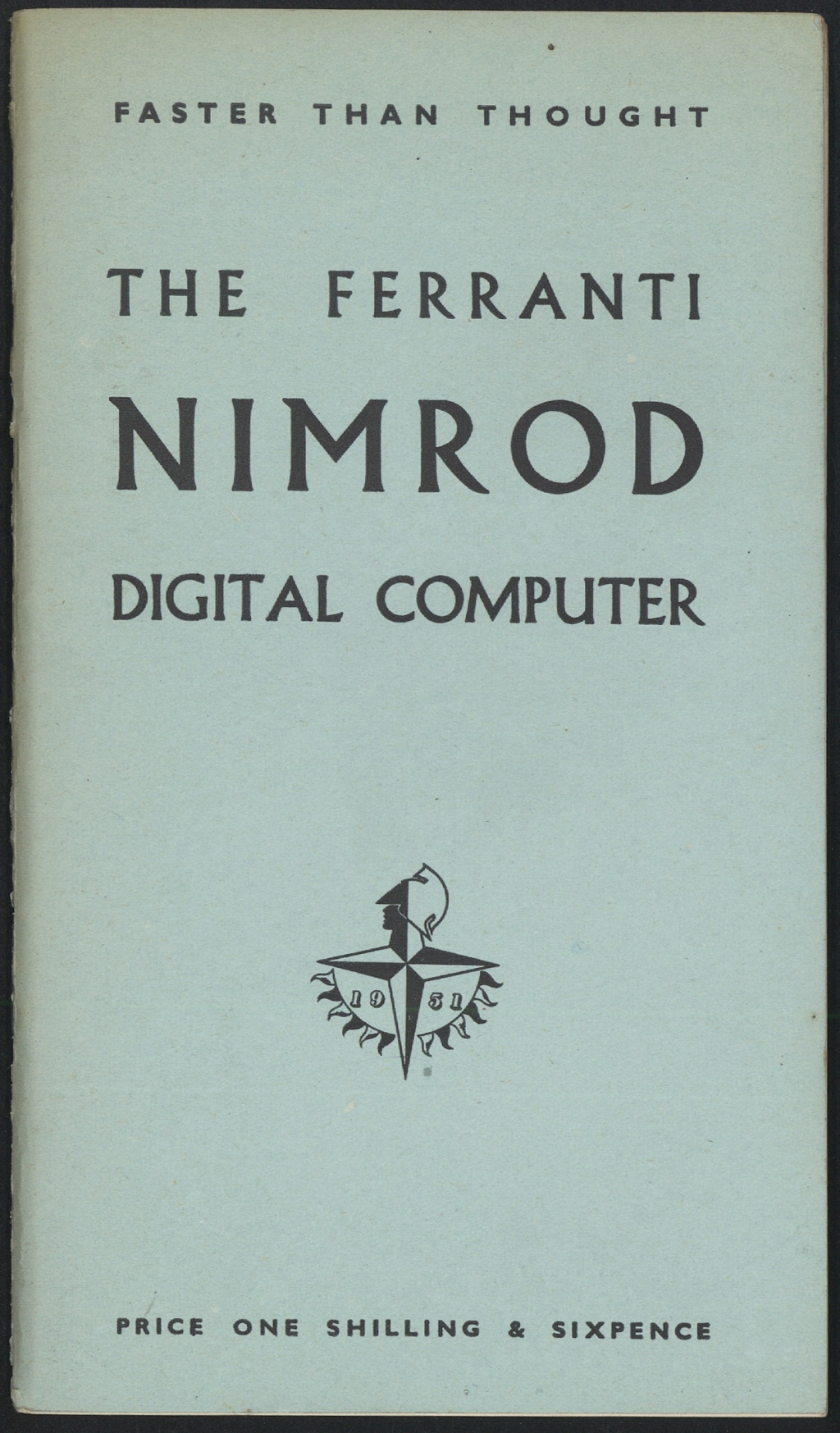
- Nimrod designed by Ferranti played the Nim, 1951
Spacewar!
- Commonly understood as first, intentionally designed video game.
- Developed at MIT on the PDP-1 in 1961
- Code was “open source” and played at many universities
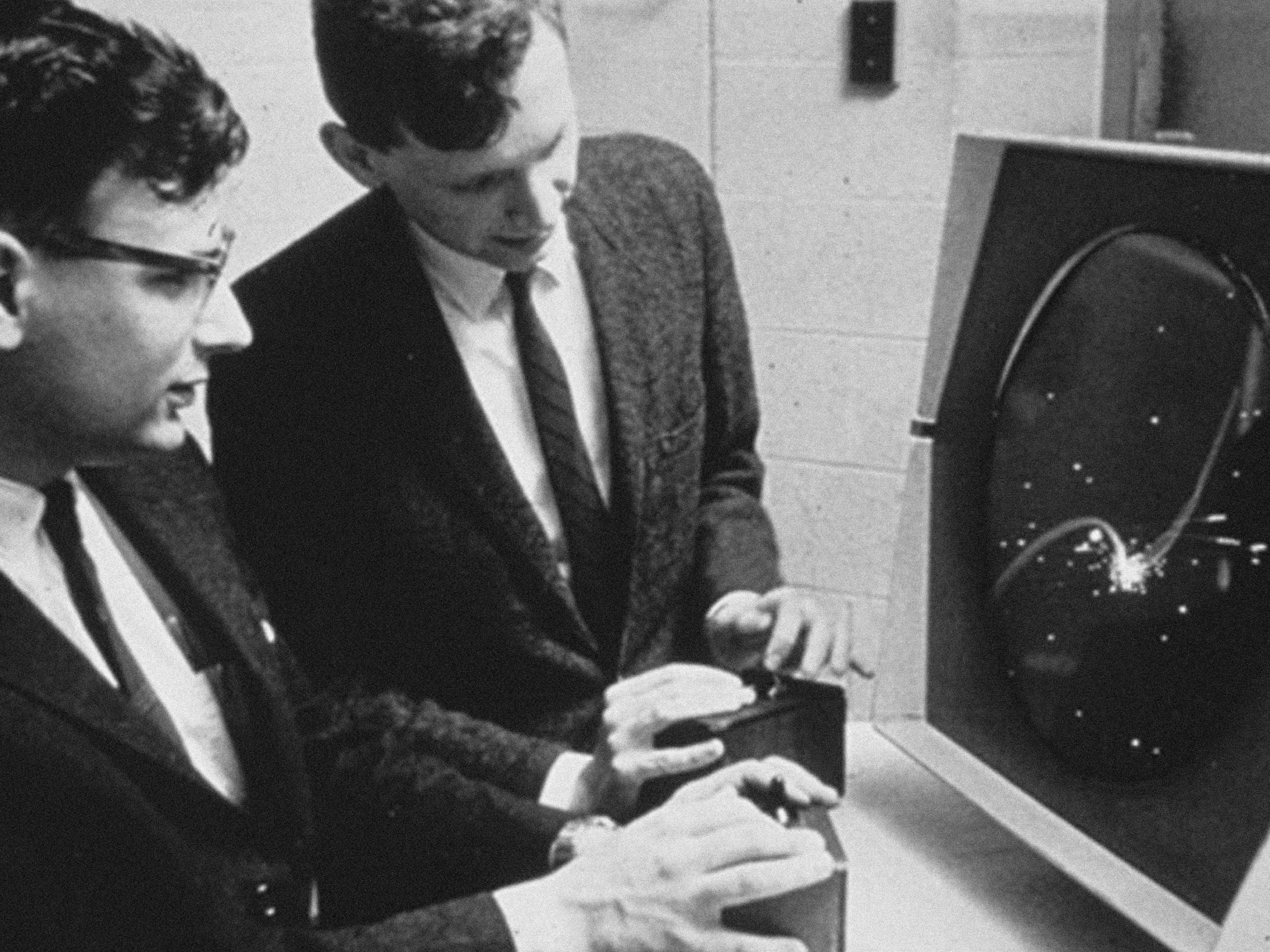
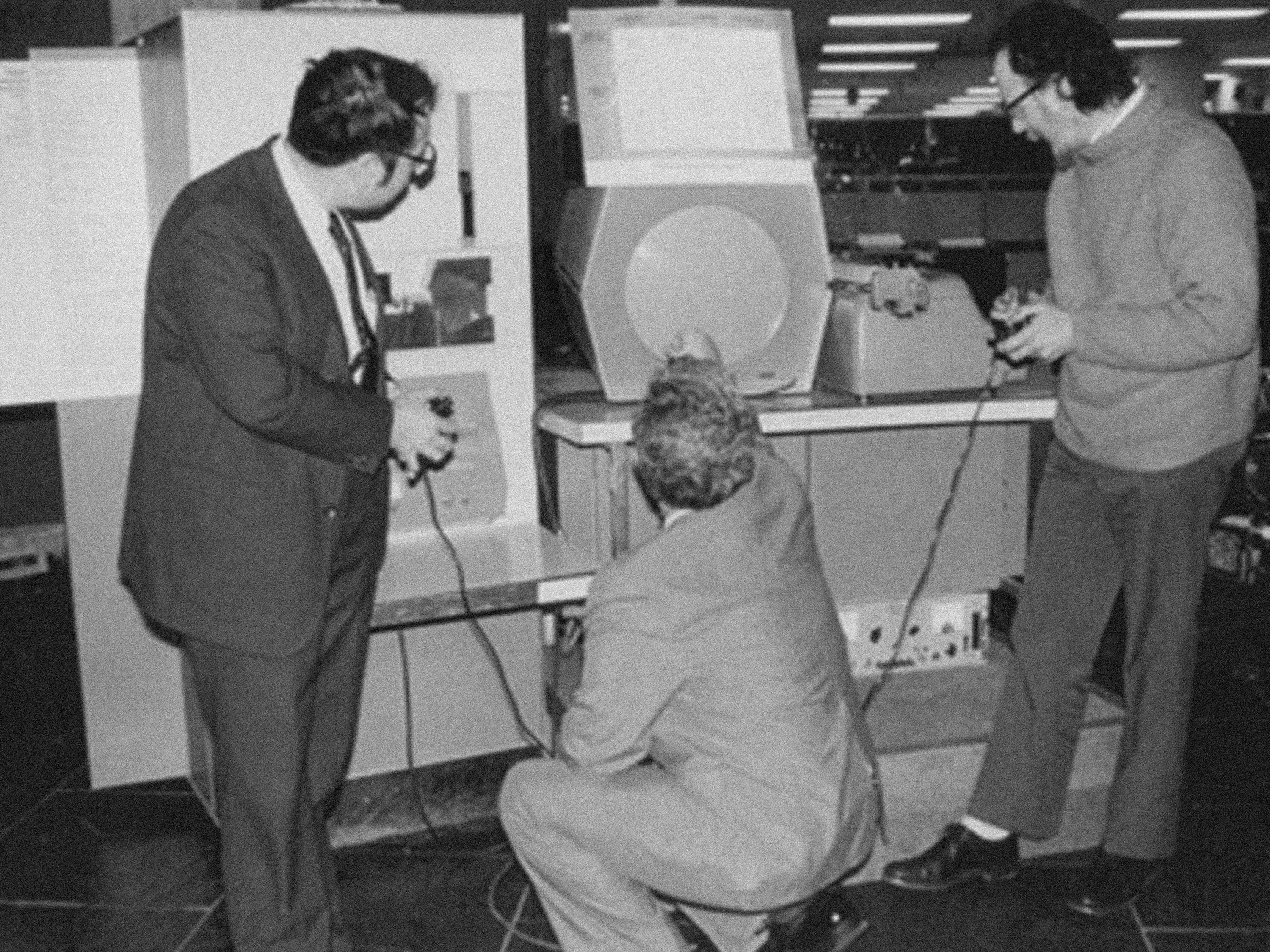
Alan Kotok, Steve Russell, Martin ‘Shag’ Graetz play Spacewar! at the Computer Musuem, Boston. Image reference: Computer History Museum
Public Amusements
- Late 1800s moving image and sound machines such as the Mutoscope and Gramophone
- Introduction of sports games in the early 1900s
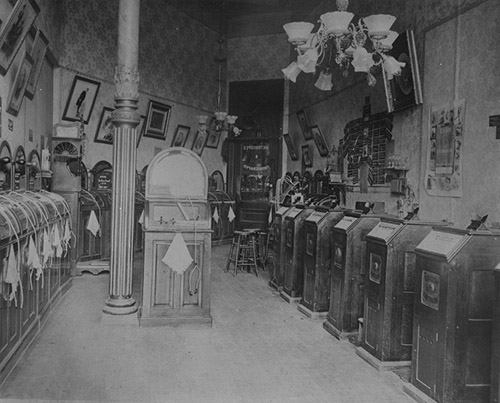
Patterned interior of Edison’s Phonograph and Gramophone Arcade in San Francisco, California. (Courtesy of U.S. Dept. of the Interior, National Park Service, Thomas Edison National Historical Park.)
Mechanical Games
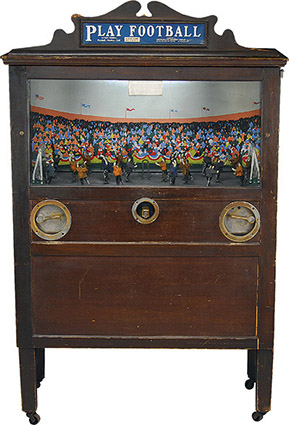
Full Team Football, Full Team Football Company 1925 (Renamed Play Football)
Pinball
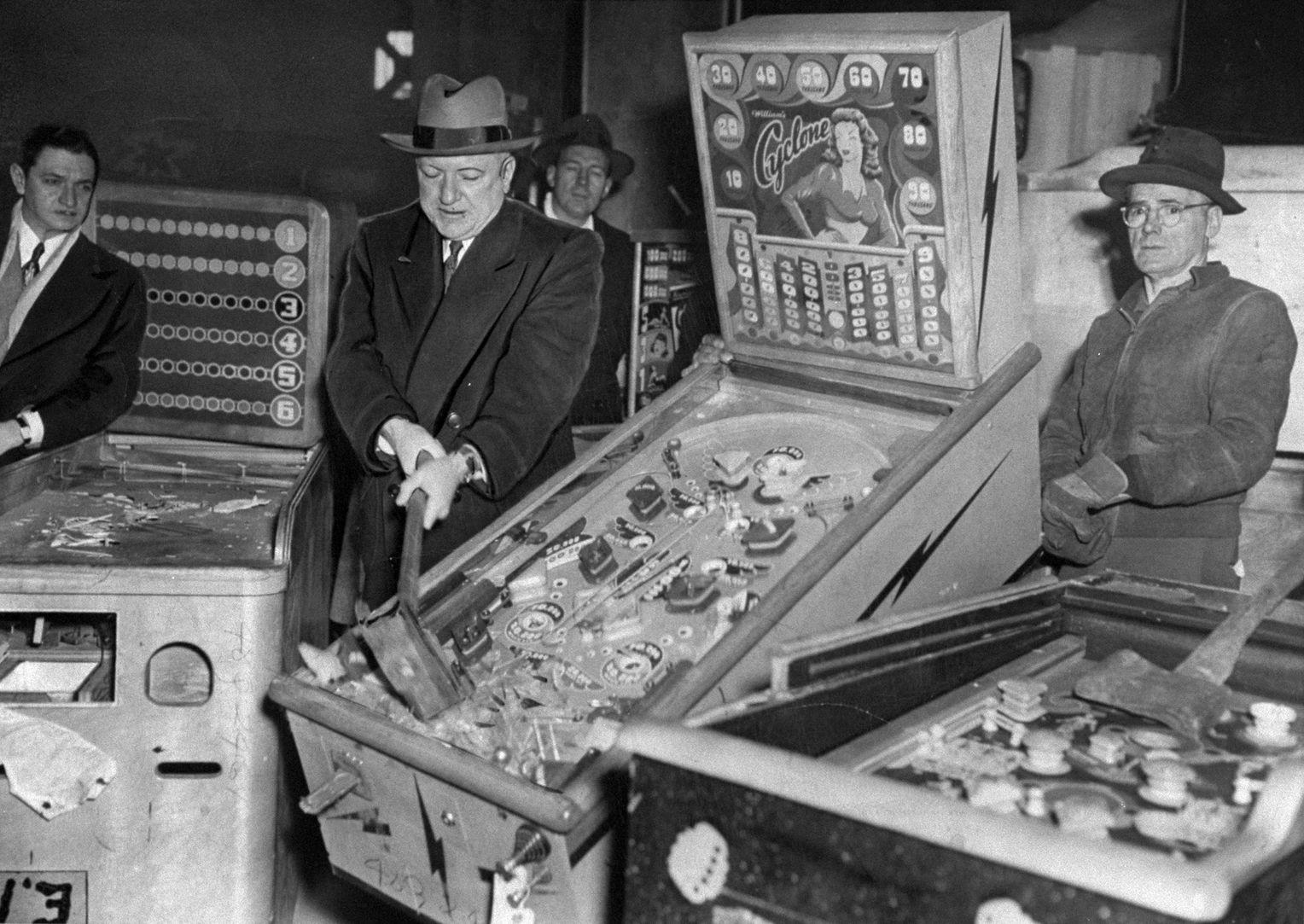
New York City Police Commissioner William P. O’Brien smashes illegal pinball machines in a warehouse in the Greenpoint section of Brooklyn, New York, 1949.
Electromechanical Games
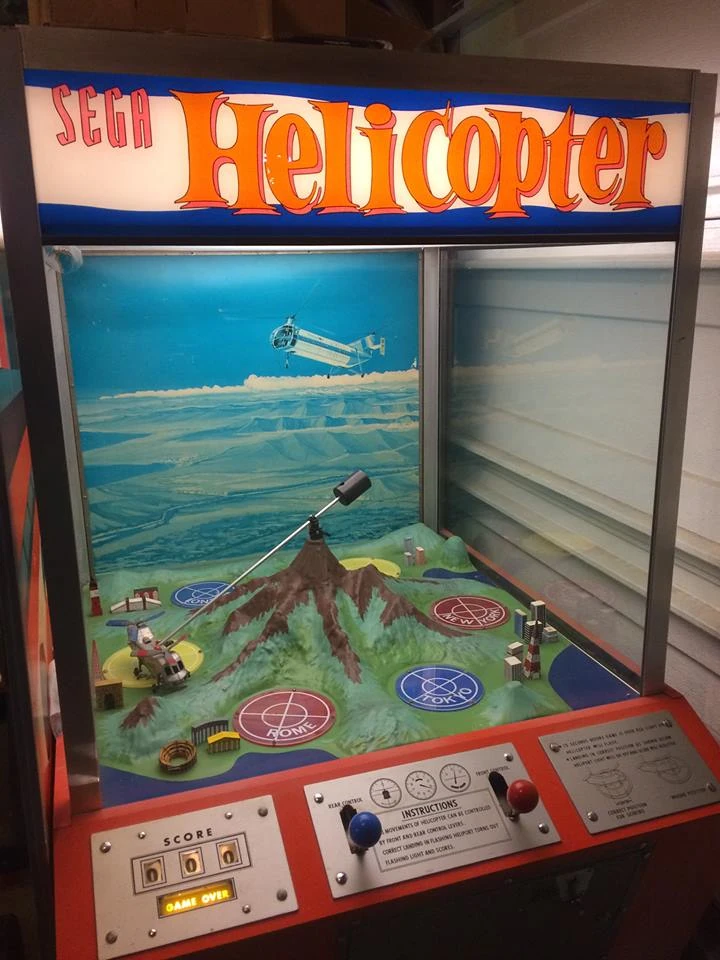
Helicopter, SEGA 1968
Video Arcades: Hardware not Software
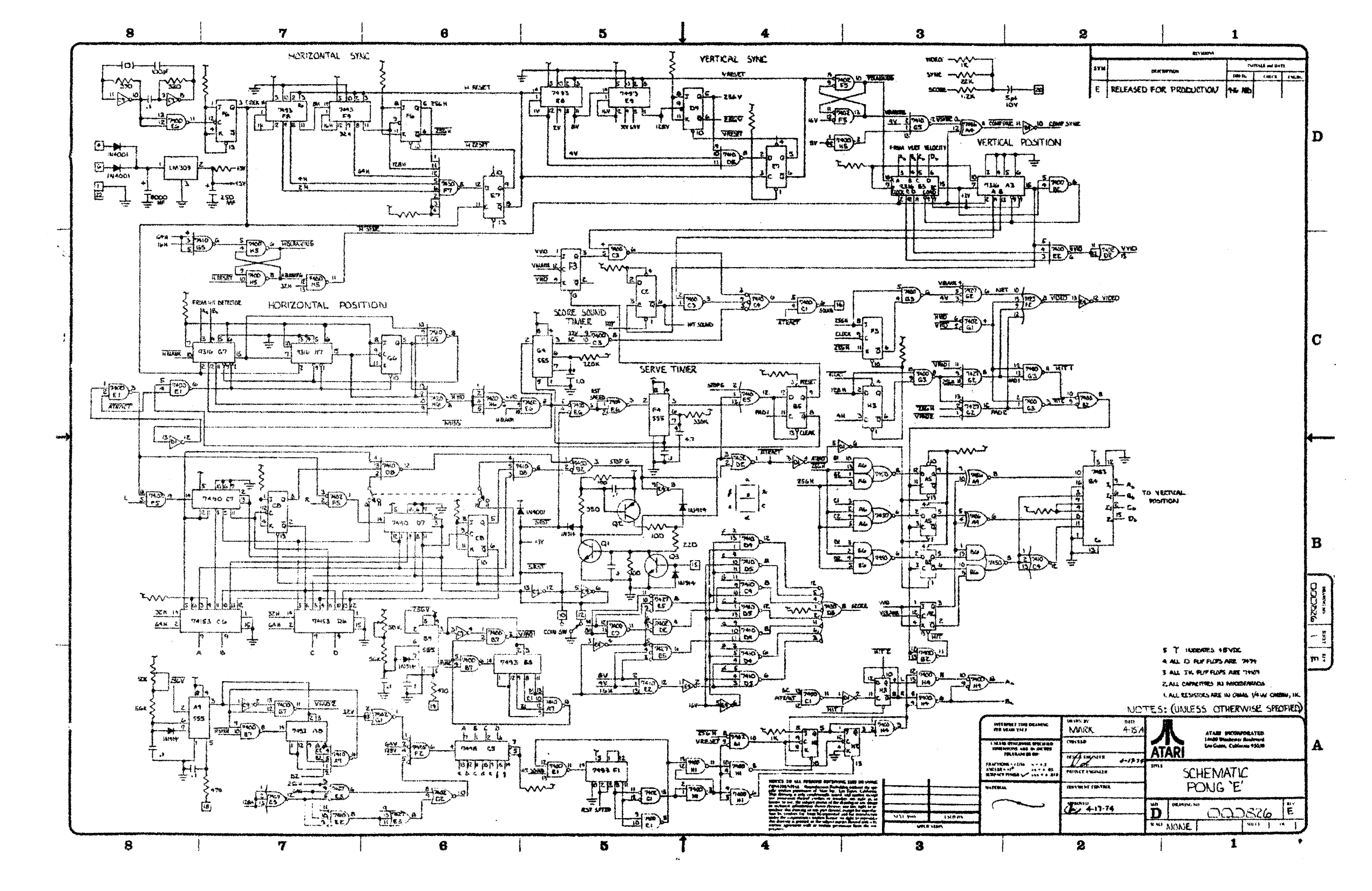
Pong Schematics
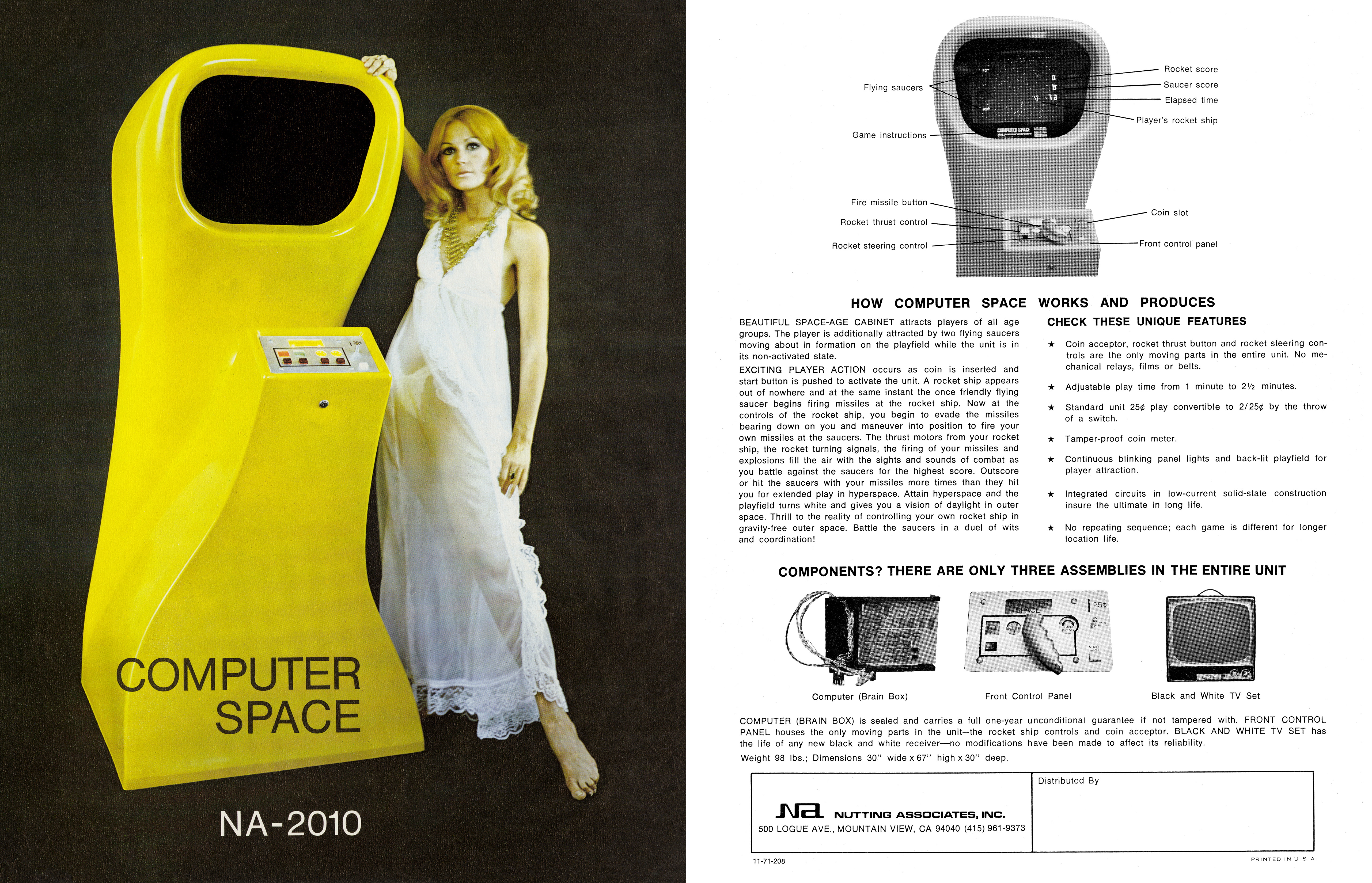
Computer Space, 1971, directly inspired by Space War!
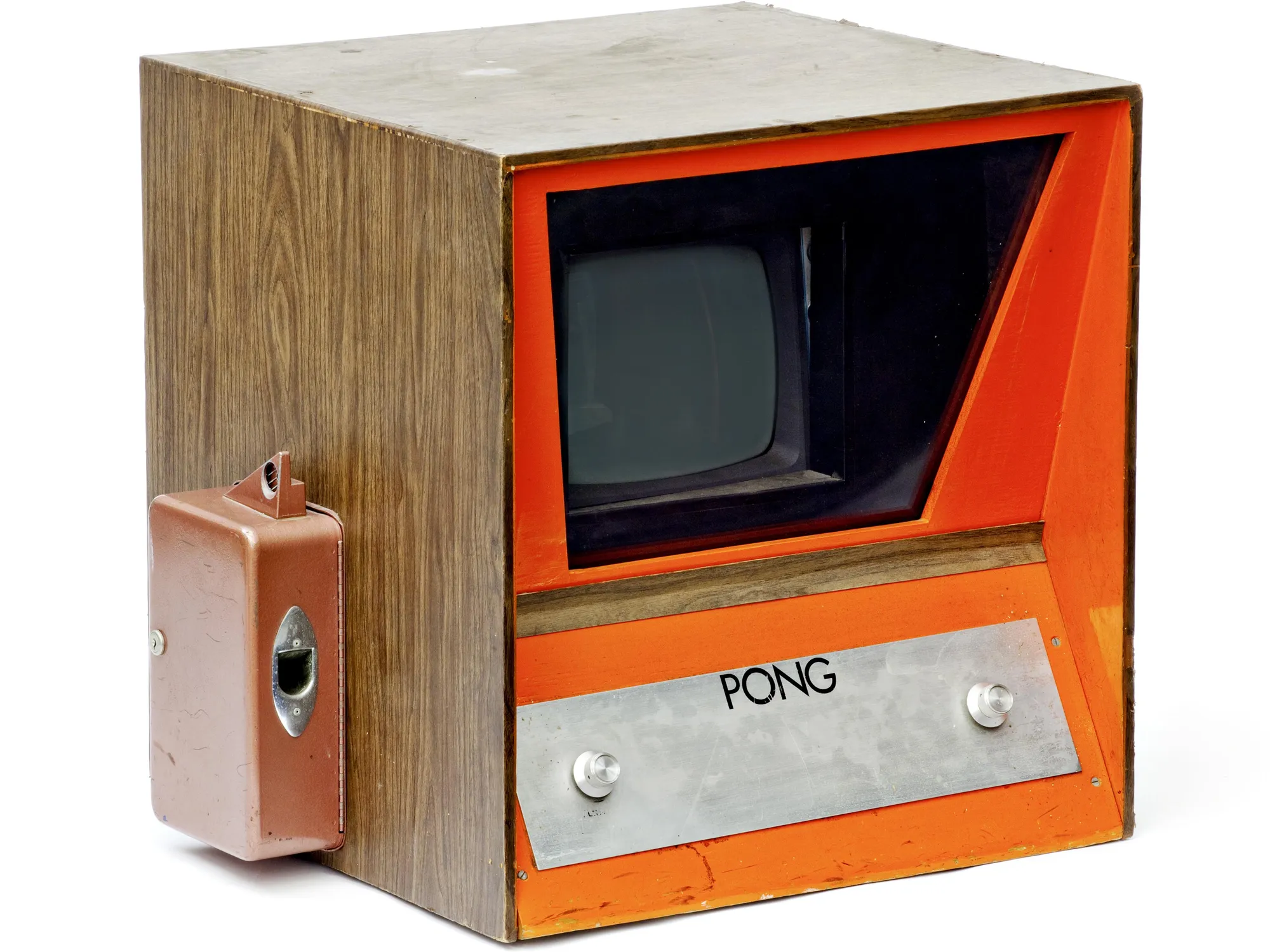
Pong prototype, 1972, Mark Richards/Computer History Museum
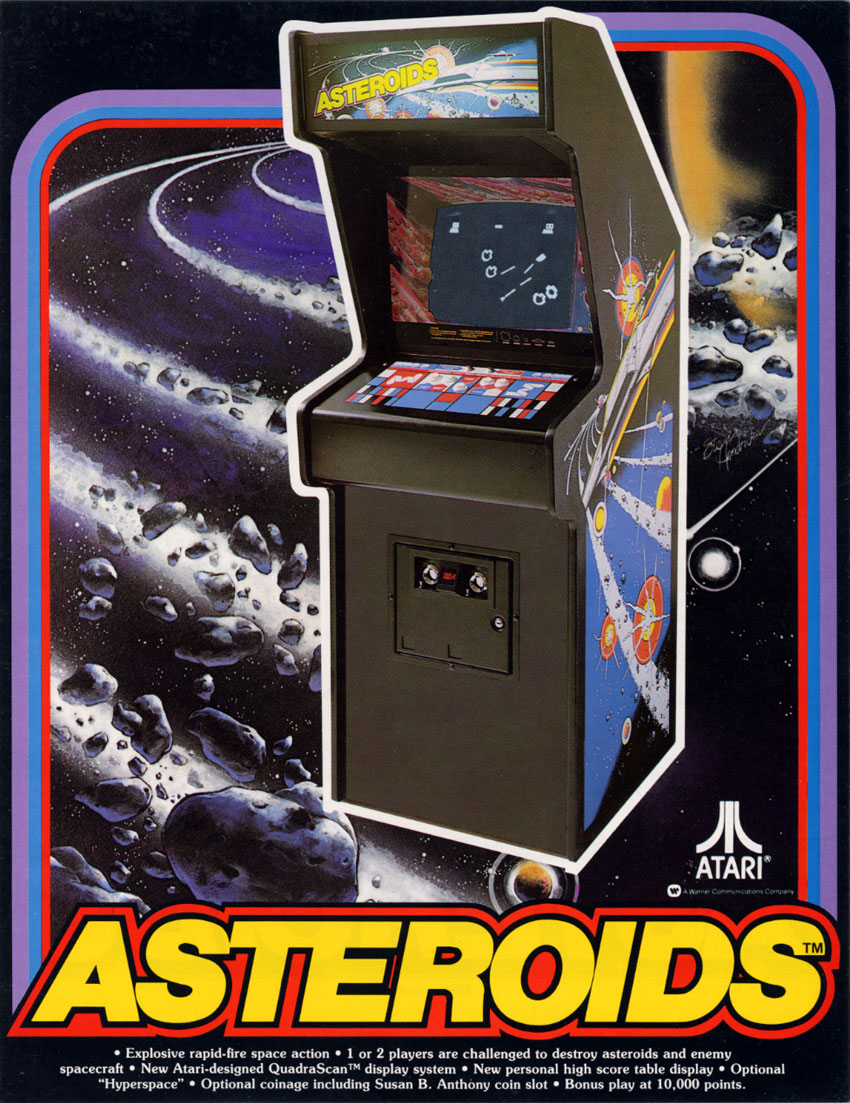
Asteroids, 1979
Characteristics of Arcade Games
- Designed to attract the public
- Designed to be easy to understand to invite players
- Repetitive game loop
- Designed to be difficult to advance to extract money
- Designed to be competitive with high scores
- Historically, designed specifically for a young, white, male audience with disposable income